Lung cancer is brought on by uncontrolled rapid growth of cells in tissues. This sort of cancer is most frequent and results in much more than a million deaths just about every year. This form of cancer is indicated by weight loss or coughing up blood or often going out of breath. It can be noticed on chest radio graph also referred to as CT Scan. The therapy that one gets depends on the stage that 1 is in. Treatment of cancer contain surgery, chemotherapy and radiotherapy.
CLASSIFICATION
Lung cancers are classified following studying under them microscope. Classification is required as diverse kind of cancer is treated differently. Massive portion of lung cancer are carcinomas - malignancies that grow from epithelial cells. Lung-carcinomas are categorized into two sorts: non -small and tiny-cell lung carcinoma. Non-smaller cell lung carcinoma and tiny cell lung carcinoma account for 80. 4% and 16. 8% frequency of lung cancer, respectively.
1. NON -Smaller CELL LUNG CARCINOMA
The non -small cell lung carcinomas are grouped together as their prognosis and management are exact same up to some extent. They are further classified into three kinds: squamous cell lung carcinoma, adenocarcinoma and substantial cell lung carcinoma. Squamous cell lung cancer originates near a central bronchus. They account for 25% of lung cancers. Adenocarcinoma begins in peripheral lung tissue. The situations of adenocarcinoma are a result of smoking. They accounts to 40% of non -modest cell lung cancers.
two. Smaller CELL LUNG CARCINOMA
This form of lung cancer is rare. It is at times referred to as "oat cell" carcinoma. Most of the occasions they originate from larger airways (primary and secondary bronchi ) and from there they grow at a rapid pace. This form of lung cancer if mostly associated with smoking.
SECONDARY CANCERS
These cancers are classified on the basis of webpage of origin like breast cancer but has spread to the lung. Majority of the lung cancers in kids are secondary.
STAGING OF LUNG CANCER
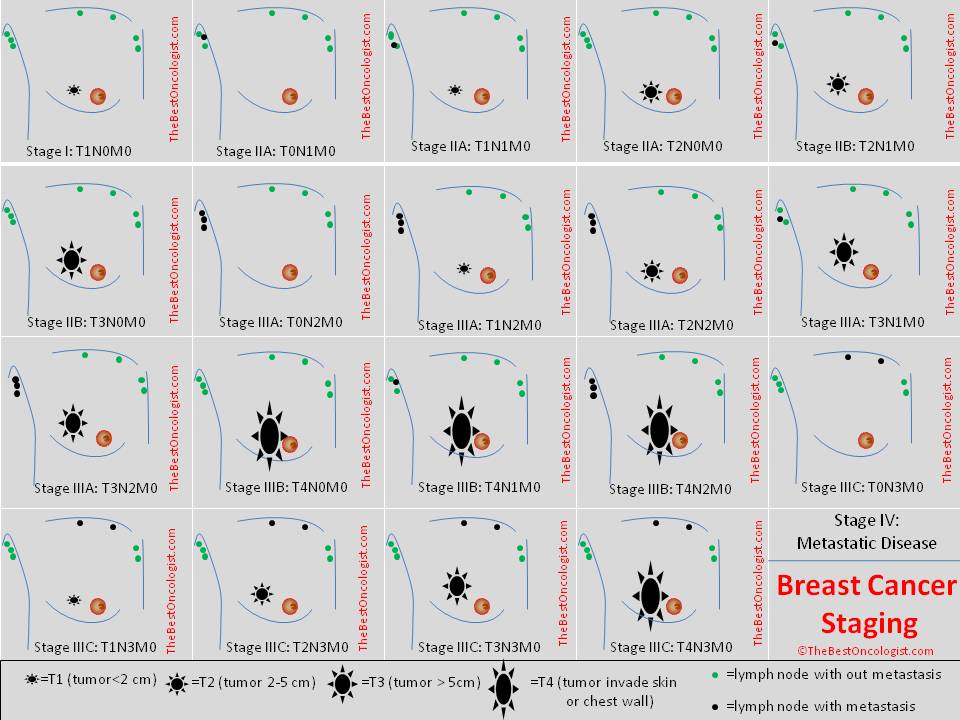
Lung cancer staging is made use of to asses the degree of spread of the cancer from its location of origin. It is an significant factor that determines the possible remedy of lung cancer. The degree starts from 1A to four, 1A being finest prognosis and 4 being worst.
SIGNS AND SYMPTOMS
Following are the symptoms of lung cancer: 1. Voice becoming hoarse. 2. Sudden loss of weight. 3. Feeling pain in chest region or abdomen. four. Difficulty in swallowing. 5. Loss of appetite. 6. Running out of breath. A number of of the symptoms mentioned above are non -precise. By the time they notice symptoms or signs, cancer has already spread from location of origin. Incredibly couple of people today with this cancer have signs at time of diagnosis, these cancers are noticed on routine chest radio graph.
CAUSES
The three key causes of cancer are: carcinogens (which is found in tobacco ), viral infection and ionizing radiation. If exposed, it causes adjustments to DNA in tissue lining the bronchi of the lungs. With much more and alot more tissues acquiring damaged, cancer develops.
1. SMOKING
Smoking is the most important cause of cancer. In one cigarette, there are 60 unique known kinds of carcinogens like radioisotopes and nitrosamine. Smoking is believed to trigger 80% of these type of situations. The danger is usually much less in non -smokers. The time that a person smokes proportionately increases the chances of this cancer. There has been situations that if a individual stops smoking, the damaged cells gradually gets repaired. In non-smokers, passive smoking is the main causes of lung-cancer. Passive smoking is 1 inhaled from one other individual smoking.
two. RADON GAS
The gas produced from breakdown of radium. This gas is colourless and odorless. Exposure to radiation ionize the genetic material, causing mutations that from time to time turn cancerous. Exposure to radon gas is the second big trigger of lung-cancer following smoking.
3. ASBESTOS
Asbestos is responsible for causing a number of cancer, one amongst them is lung cancer. In UK, asbestos accounts for two to three% of the total instances of this cancer.
4. VIRUS
Viruses are responsible for causing lung-cancer in animals. And research has shown of comparable prospective in humans.
five. PARTICULATE MATTER
Particulate matter has a direct link to lung cancer circumstances. The size and quantity of particles in air determines the risk of getting lung-cancer. If concentration of particles increases beyond 1%, then the probabilities of getting this increases by 14%.
PATHOGENESIS
Just like might possibly other cancer types, lung cancer is began by activation of ocnogenes or inactivation of tumor suppressing genes. Ocnogenes are those genes that make consumers far more vulnerable to cancer. Ocnogenes are produced from proto-ocnogenes, when the latter is exposed to certain carcinogens. In k-ras proto-oncogene, mutations takes place which are responsible for ten to 30% of lung adenocarcinomas. Tumor invasion, angiogenesis, apoptosis, cell profileration are regulated by the Epidermal growth factor receptor. Mutations and amplification of EGFR are normal in non -tiny cell lung cancer. The basis for remedy with EGFR-inhibitors are also supplied by Mutation and amplification of EGFR. Chromosomal harm can lead to loss of heterozygosity which can result in inactivation of tumor suppressor genes. Harm to four of these chromosomes:3p, 5q, 13 q and 17 p are prevalent in modest cell lung-carcinoma. The p53, which is a tumor suppressor gene, located on chromosome 17p is affected in most of the circumstances. c-MET, NKX2-1, LKB1, PIK3A and BRAF are also mutated or amplified. A variety of genetic polymorphisms are supplementary to this cancer. Some of them involve polymorphisms in genes coding for interleukin-1, cytochrome p450, apoptosis promoters such as caspase-8, and XRCC1, which is DNA repair molecule. Folks getting these polymorphisms are far more likely to create lung cancer on getting exposed to carcinogens. The study has revealed that MDM2 309G allele is a low-penetrant risk factor for creating this in Asians.
DIAGNOSIS
If a individual has reported symptoms that might recommend cancer related to lungs, then chest radio graph is performed in the very first step. The test reveals the widening of mediastinium, atelectasis and pleural effusion. Even if there are no radio graphic findings but the hint of this is high since of things like the individual getting heavy smoker with blood-stained sputum then CT-Scan could present the necessary information. If findings are unnatural in cells in sputum, then they multiplies the danger of this sort of cancer. Early detection can be completed by Sputum cytologic examination together with other screening examinations. The differential diagnosis for those patients who show irregularities on chest cardiograph look into cancer related to lungs along with non malignant illnesses. These consider infectious reasons like tuberculosis or pneumonia. The above mentioned illnesses can lead to lung nodules.
PREVENTION
Prevention, just like often, is superior than cure. Actions in this direction have been taken by might possibly countries by identifying carcinogens and banning them but tobacco, which is the major cause of lung cancer, is nonetheless frequent. Eliminating cigarette smoking is very first hand target in the prevention of lung cancer. Methods to lessen Passive smoking have also getting taken by banning smoking in public areas and workplaces. New Zealand has restricted smoking in open areas. A similar step is also taken by Chandigarh, India. Bhutan has criminalized smoking since 2005.
SCREENING
Screening is used to detect disease by carrying out medical tests when the patient is not showing any symptoms. Chest radio graph or computed tomography are the tests utilized for screening of lung cancer. But, results have shown, that screening tests for lung cancer seldom has shown any benefit.
Remedy
The therapy of lung cancer can be accomplished in following approaches, depending on the stage or degree of cancer:
1. SURGERY
If physicians have detected lung cancer, then CT scan and positron emission tomography are in most cases applied to check if the illness is placed and surgery can be done or it has moved to the point where performing surgery is not doable. Surgery can only be performed if spirometry reveals superior respiratory reserve, but if it is poor, then surgery is not attainable. Even surgery has a death operative rate of 4. 4% but that is because of patient's lung function and other elements.
two. CHEMOTHERAPY
Chemotherapy, along with radiation, is made use of to treat tiny cell lung carcinoma. Primary chemotherapy is also utilized in metastatic non -modest cell lung carcinoma.
three. RADIOTHERAPY
Radiotherapy, with chemotherapy, is given when patient is not fit to under go surgery. This type of high intensity radiotherapy is named radical radiotherapy. CHART (continuos hyperfractioned accelerated radiotherapy ) is refined version of this approach in which a high dose of radiotherapy is given for a brief period of time. When cancer affects a short section of bronchus, then brachytherapy is given.
EPIDEMOLOGY
Lung cancer is the most widely reported cancer. There are 1. 35 million instances each and every year and 1. 18 million deaths. Lung cancer develop amongst those who have a history of smoking over a long period of years i. e 50 years and above. In addition to smoking, passive smoking is also a factor that causes lung cancer. Even the emissions from factories, automobiles, power plants pose a threat to human health. Lung cancer is found to have a reciprocal impact with sunlight and UVB exposure. This is due to effect of Vitamin D, created in skin throughout exposure to sunlight.

No comments:
Post a Comment