Tuesday, December 20, 2011

Recognizing Lung Cancer Symptoms Before It Gets Too Late


Recognizing Lung Cancer Symptoms

1 of the most insidious elements of lung carcinoma is the lack of any symptoms in 75% of patients. Often, it is not till the cancer has reached Stage III or Stage IV that there are any noticeable symptoms. Nonetheless, for 25% of patients, recognizing these lung cancer symptoms signs might possibly mean the distinction among effective cancer therapy and a significantly worse prognosis.

A large number of, though not all, of lung carcinoma symptoms are directly associated to the top quality of your breathing and the action of your lungs. Some of the breathing associated symptoms contain:

-appearance of or enhance in severity of chronic cough
-shortness of breath
-frequent lung infections such as pneumonia
-coughing up blood, even in tiny quantities
-wheezing
-hoarseness
-chest discomfort

What causes these symptoms is the harm that the cancer begins to cause to the lungs. Each types of lung carcinoma, both smaller cell cancer and non-small cell cancer. In each varieties, the tumors can start off to obstruct the airways, occasionally at the micro-level, result in inflammation, instigating an enhance in coughing, constricting airways resulting in the shortness of breath and wheezing. Oftentimes the tumors themselves or blood vessels adjacent to the tumors will burst, causing internal micro bleeding and resulting in a productive cough with specks of blood.

Chest pain commonly happens when a moderate to substantial sized tumor lodges in the chest wall. In a similar manner, hoarseness is sometimes the result of pressure from a tumor on the nerves that manage the voice box. In essence, a lot more than symptoms, these are in fact complications from cancer that has already started to metastasize to other components of the body.

Some of the non-breathing related symptoms include:

-sudden weight loss, without any attempt at weight reduction
-bone pain
-headache
-sudden chronic fatigue

Sudden weight loss is usually related to various sorts of cancer. In essence, the quickly growing cells of the cancer are "hungry" utilizing a lot of power to create themselves up and spread to surrounding tissue. Sudden chronic fatigue can come as a result of poor oxygen exchange from the damage completed to the lungs.

Knowing your "typical" is key to recognizing these lung cancer symptoms.

Sunday, December 4, 2011

Save Yourself and Identify the Early Warning Signs of Breast Cancer


General Data on Breast Cancer

Breast cancer has been one of the leading wellness issues for women. For more than three,600 years the cancer has affected the lives of women in immeasurable ways. According to the Edwin Smith papyrus, awareness of breast cancer has been well established due to the fact 1600 BC in Egypt, thus generating it the oldest form of cancer known to humans. "There is no treatment", this is what early Egyptian physicians writes about breast cancer according to the papyrus and for centuries this has been the attitude displayed by each well being practitioners and patients.

But while the Egyptians have considered the disease incurable, we now have medical advancements that make survival virtually an absolute certainty at early stages. All we need is a firm expertise on warning signs of the cancer and the determination to go by means of the treatment procedure.

What are the Causes of Breast Cancer?

About 1 in eight girls will be diagnosed with this cancer in a lifetime. There are a few risk variables which are part of our lives that we could not transform. This consists of aging, familial history, genetics and menstrual cycle.

The danger of getting cancer becomes greater as a person ages. Advanced cancer stages are frequently found in females fifty years old and above. About thirty percent of females who have breast cancer have a household history of breast, ovarian, uterine or ovarian cancer.

Some folks have gene defects that make them a lot more susceptible to acquiring the illness. This includes defects frequently discovered in the BRCA1 and BRCA2 genes. Women with these gene defects have an eighty percent likelihood of obtaining breast cancer. Those who have began menstruation just before the age of twelve or went through menopause right after the age of fifty-5 have higher breast cancer threat.

Females who never ever had children or gave birth only right after the age of thirty also have an elevated risk for breast cancer.

Other threat elements consist of alcohol consumption, obesity, hormone replacement therapy to avert menopause, the use of the drug diethylstilbestrol (DES) to stop miscarriage, and radiation.

Curiously, there is no evidence linking the use of breast implants, antiperspirants, pesticides and underwire bras in raising cancer risks.

What are the Symptoms of Breast Cancer?

Undergoing regular breast examination is vital in detecting cancerous growths mainly because in early stages, cancer of the breast might not manifest any symptom at all. As the cancer develops ladies may well knowledge one or a combination of the following.

  • A painless difficult lump with uneven edges in the breast or armpit area.
  • Noticeable change in size, shape, feel and texture of the breast and nipple.
  • Unusual fluids, such as pus, coming out of the nipple.

For ladies who are in advanced breast cancer stages, symptoms may well contain bone pain, pain and discomfort in the breast area, skin ulcers in the breast or underarm, weight loss, and swelling of one arm.

How to Prevent Breast Cancer?

Given that some risk aspects are uncontrollable, awareness is the most important step in fighting the disease. In general, having a wholesome diet and life style reduces a person's opportunity of finding cancer. Early detection of the cancer raises the cure rate and thus, breast self-examination (BSE), clinical breast examination and screening mammography are highly advised.

Experts advise BSE when a month for females over twenty. The test really should be done a week following their menstruation. For those among the ages of twenty to thirty-nine, clinical examination really should be completed every single 3 years.

Females above the age of forty are typically advised to undergo a total breast examination and mammography once a year. Breast MRI should certainly also be done for females who are have greater breast cancer risk factors.

Certain drugs, such as Tamoxifen, are approved by the USDA for cancer prevention in women aged thirty-five or older. Preventive prophylactic mastectomy, or the surgical removal of the breast, is advised for those who already had one breast removed and for those who are identified to have genetic mutations that raise tumor risks.

What exams and tests are involved in the detection of breast cancer?

Your physician will collect data of your symptoms and risk components. A thorough physical examination, which includes the breast, armpit, chest and neck, would then be performed to check for probable tumor growths.

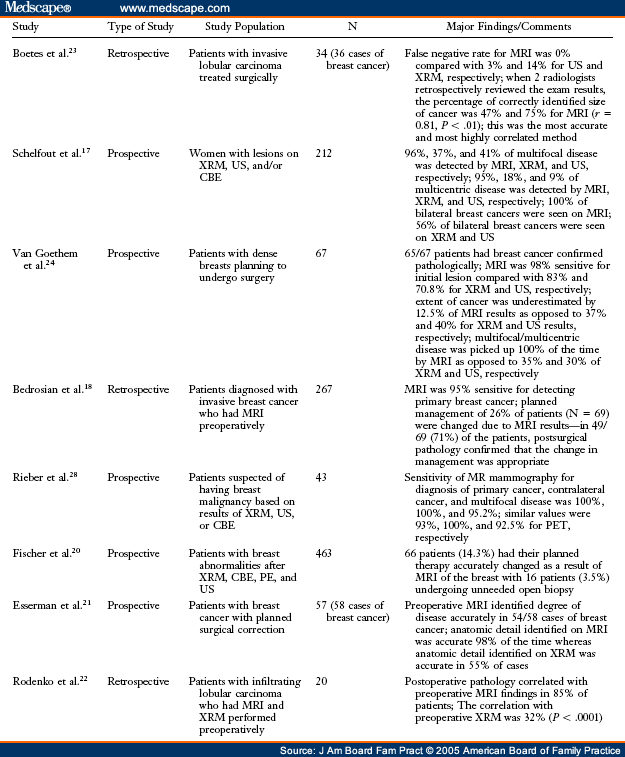
To confirm the diagnosis additional test may well be performed, this contains mammography, breast MRI, CT scan and PET scan, to identify the size, shape and location of the breast lump. Breast ultrasound is also carried out to check if the lump is solid or is filled with fluids. Needle aspiration and sentinel lymph node biopsy is performed for further laboratory examination of a breast lump and adjacent lymph nodes.

How do we classify breast cancer?

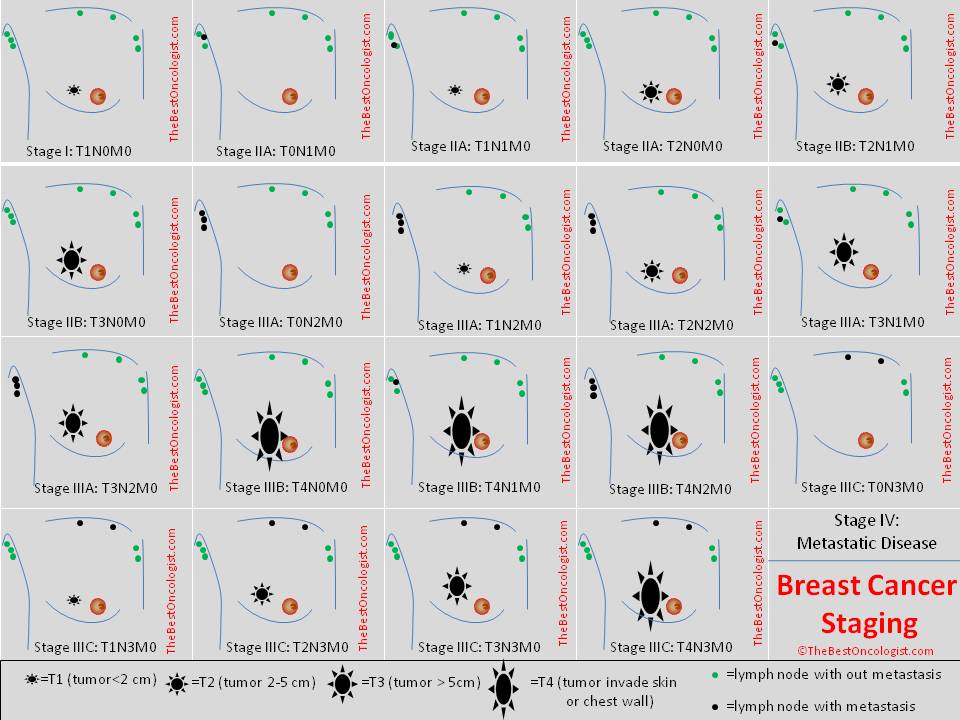
Just after positive diagnosis of breast cancer, further test will be carried out in order to check the extent of the cancer. This is called breast cancer staging. This helps doctors identify the therapy approaches crucial and to give the patient a prognosis.

Breast cancer stages ranges from zero to 4. When a cancer has not yet spread, it is known as ductal carcinoma in situ (DCIS). The cancer may perhaps be noninvasive or invasive depending of the advancement of cancer.

A combination of remedies is frequently received by females and this differs on the stage of the cancer. In stage one, the aim to remove the cancer and avoid its spread to other tissues and organs of the body. For girls with stage 4 breast cancers, the treatment is aimed at prolonging the life span of the patient as the cancer in stage 4 can't be treated.

How is breast cancer treated?

The remedy of cancer depends on the sort and stage of the cancer and its sensitivity to specific hormones. The cancer is also monitored for overproduction of the HER2 gene.

The general breast cancer treatments consist of chemotherapy, radiation therapy and surgery. Chemotherapy is the use of drugs to kill cancer cells. Surgical removal of cancerous tissues is also carried out to successfully eliminate breast lumps. Surgery may well be in form of removal of breast lumps (lumpectomy) or removal of the entire breast and nearby structures (mastectomy). Radiation therapy is the use of high power x-rays to destroy cancerous tissues.

Treatments such as hormonal therapy and targeted therapy could possibly also be completed in order to avert achievable metastasis and to quit particular hormones from fueling cancer growth. Some samples of hormonal therapy consist of drugs such as Tamoxifen and Exemestane which are employed to block the effects of estrogen and reduce cancer development. Drugs such as Herceptin plus trastuzumab may be utilized as a form of targeted therapy in ladies with stage IV HER2 positive breast cancer.

What to expect after remedy?

There are a number of medical advancements that makes it feasible for patients to live longer, additional active lives immediately after cancer remedy. Nonetheless, we cannot assist but stress the significance of early detection. In the American Cancer Society's study, the five year survival rate for stage zero and 1 cancer is at a high of a hundred percent and this goes down to at least twenty percent for stage four. Check out your physician and acquire out way more about cancer and find out how breast self examination is done.

Saturday, December 3, 2011

Colon Cancer Survival Rates


Colon cancer survival rates indicate the probabilities a cancer patient has of surviving the illness for a specified length of time. The rates are by no means a definite indicator of what will take place to a patient they can at best predict a patient's probabilities of what may take place to him, if a kind of therapy program is opted for, based on what has occurred to other patients in similar circumstances. They serve as a guide to a patient and his family members to know what they can anticipate if they decide on a specific kind of remedy or if they need to think about 1 at all rather than just opt for pain relievers and sedation.

Colon cancer is a disease of the lower portion of the digestive system affecting the colon, rectum and appendix. It is also called colorectal or sizeable bowel cancer. It is the 2nd leading cause of cancer associated deaths in the Western Globe.

Colon cancer when detected in the early stages is 1 of the most curable of cancers, by as much as 90%. Happily, the colon cancer survival rates have been steadily enhancing more than the past 20 years, considering of improved screening that makes treatment doable at the early curable stages. There are more than 1 million survivors of the illness in the US right now.

As with most cancers, prognosis is determined by the stage at which the illness is diagnosed, the later the stage at which the illness is diagnosed, the lower the survival rate. The Journal of the National Cancer Institute offers these overall survival rates for colon cancer in the US: 93% at stage 1, 85% at stage 2A, 72% at stage 2B, 83% at stage 3A, 64% at stage 3B, 44% at stage 3C and 8% at stage 4.

Colon cancer survival rates also vary depending on where the tumor is situated. If the cancerous growth is located in the ascending colon, the 5 year survival rate is 63%, for the transverse colon it is 59% and for the descending colon it is 66%.

Remedy is primarily surgical in which the cancerous section of the bowel is removed and the two open ends are joined. If they can't be joined, a colostomy bag is essential, in which case the bowel is brought outside the abdominal wall for the bag. Surgery is followed by chemotherapy and radiotherapy which improves the survival rate by a further 5-6%.

Overall colon cancer affects guys and females of all races equally then again, girls are even more prone to developing colon cancer and males rectal cancer. Getting more than the age of 50 presents an increased risk aspect with the risk for developing the illness rising with every single passing decade. More than 75% of cases are diagnosed in individuals over the age of 50 having said that younger people too are at danger and cannot afford to ignore screening. Smoking, consumption of alcohol, getting overweight and living sedentary lifestyles is danger variables as are having a family history of the illness and diabetes.

Since it has been proved that colon cancer survival rates have elevated due to elevated and improved screening methods, it is highly advised that the survival rates be further improved with persons over the age of 40 having regular colonoscopies and rectal exams to enhance the chances of early detection and treatment.

Friday, December 2, 2011

Chemotherapy For Lymph Node Negative Breast Cancer - Who Needs It?


sizcache="" sizset="47">

Why do many people with breast cancer need to have chemotherapy? The reason is that despite the perfect efforts of the healthcare team to remove all traces of the tumor, breast cancer can nonetheless recur. Even early stage breast cancer can return months to years just after the original diagnosis and treatment.

It can come back as a neighborhood recurrence (in the treated breast) or as a distant recurrence, also recognized as metastatic illness, elsewhere in the body, such as the bones, lungs, liver, or other organs. Due to this concern, numerous oncologists prefer to err on the side of more than treating their patients with chemotherapy, lest the individual be under treated and sustain a recurrence.

There are specific standard prognostic variables that influence a doctor's decision to prescribe chemotherapy. These incorporate the age and general health of the individual as properly as the size of the breast tumor, the status of the lymph nodes (positive versus negative), and the presence or absence of estrogen receptors on the tumor. Tiny tumors with positive estrogen receptors and negative lymph nodes tend to be less aggressive.

Examining the statistics, perhaps up to 15 out of 100 (15%) of patients with less aggressive tumors will create a recurrence. Until recently, to save the lives of those 15 men and women, medical oncologists needed to treat all 100 patients, as they did not have the tools to identify which of the 100 patients were the 15 who were bound to recur. This meant that 85 out of the 100 folks were over treated with chemotherapy.

The question then arises: which of these people today can be comfortably spared chemotherapy, as nicely as its side effects? Also, of those many people who undergo a lumpectomy and need breast radiation therapy, who can stay away from the delay in radiation therapy imposed by the have to have to complete chemotherapy 1st?

To answer this question, a new diagnostic test that measures the likelihood of breast cancer recurrence has been created. It also assesses the benefit from chemotherapy. The test is known as Oncotype DX(TM) and it is appropriate for breast cancer patients who are:
· Newly diagnosed
· Stage I or II (early stage)
· Lymph node-negative
· Estrogen receptor positive and
· Those who will be treated with tamoxifen, an oral medication that interferes with the dangerous effect of estrogen on breast cancer cells.

All breast cancer tumors are genetically distinctive. Many of the genetic differences among individual tumors influence the likelihood that the cancer will recur. These differences are associated in portion with the level of expression of a certain group of cancer-associated genes. Oncotype DX(TM) is the to begin with cancer test that utilizes the unique genetic expression the patient's tumor to quantify the likelihood that breast cancer will recur.

Oncotype DX(TM) examines the expression of the aforementioned distinct group of genes and makes use of a mathematical equation to translate it into a Recurrence Score(TM). The Recurrence Score(TM) accurately quantifies the likelihood of distant recurrence, and its predictive energy exceeds that of the previously described normal prognosticators.

The results are scored in the lowest, intermediate, and highest danger range. Oncotype DX(TM) outcomes boost confidence that the treatment strategy is tailored to the individual patient by helping physicians figure out who will benefit the most from chemotherapy.

Clearly, the highest risk consumers will be advised to accept chemotherapy. The lowest danger group can forego chemotherapy. The greatest controversy lies with the intermediate danger group.

Hence, a randomized clinical trial is at the moment examining what is the most beneficial strategy for the intermediate risk population. The study will accrue practically 10,000 men and women and participants will be followed for at least 5 years.

The good news is that with the advent of this new diagnostic test, men and women can be selected more carefully for chemotherapy. These folks can then have the peace of thoughts of understanding that they are not leaving any stone unturned and are undertaking the ideal they can to reduce the likelihood that their cancer will recur. On the flip side, low risk persons can be advised to waive chemotherapy and have a greater comfort level that their disease will not be most likely to recur as a consequence.

Dr. Kornmehl is a board certified radiation oncologist at St. Mary's Passaic Hospital, Passaic, NJ, and author of the critically acclaimed consumer wellness book, "The Top News About Radiation Therapy" (M. Evans, 2004). Her Webpage is

Identifying Breast Cancer Stages For a Proper Treatment


Cancer stages are established on the size of the tumor, whether the cancer is invasive or non-invasive, whether lymph nodes are involved, and regardless of whether the cancer has extended outside the breast.

The intention of the coordination of stages is to assist organize the a number of aspects and a number of the personality characteristics of the cancer into groups, so as to:

* most beneficial comprehend your prognosis (the most probable result of the illness)

* direct therapy selections (in prevalent with other parts of your pathology facts), simply because clinical studies of breast cancer remedies that you and your physician will regard as are partially controlled by the staging coordination

* give a common way to clarify the extent of breast cancer for doctors and nurses all over the world, in order that effects of your remedy could be evaluated and comprehended

Physicians categorized breast cancer into 4 number stages. 'Staging' allows for a range of causes, like the size of the tumour, regardless of whether cancer cells have extended into the close lymph glands (lymph nodes), whether or not the cancer cells contain receptors for hormones or other proteins, and whether the tumour has extended to any other organ of the body. The word tumour denotes either a breast lump or the part of cancer cells brought into being on a scan or mammogram.

When the surgery is completed, your doctor could settle on the stages of your cancer. There are five fundamental stages, by way of IV, and a number of sub-stages. Lower numbers point to earlier stages of cancer, though greater numbers reveal a late-stage cancer. Doctors assess a woman's breast cancer partly by settling on how massive the tumor is and how far it really is extended. This is named staging. It really is only a way of reviewing your present condition.

Identifying the stages of your cancer assists your physician make a choice on a proper treatment strategy. The stages help forecast as properly how well you might possibly do, whether the cancer will reappear (recurrence), for example. Established on statistics composed from other women's experiences, scientists could approximate the five-year disease-free of charge survival rate.

The breast cancer stages aren't the basically reason doctors regard as when settling on therapy. Other essential details consists of: the tumor grade and size, the presence or absence of receptors for the hormones estrogen and progesterone, the amount of a protein known as HER-two developed by the cancer cells, your menopausal condition, and your general well being.

Tuesday, November 22, 2011

Breast Cancer Survival Rate - Stage 4 Breast Cancer


The breast cancer survival rate for Stage four breast cancer is significantly lower than for breast cancer detected at earlier stages.

Stage four breast cancer, or advanced breast cancer, has metastasized to other tissue such as bone tissue, lung tissue, or the liver. When breast cancer has overwhelmed the body's all-natural defenses and spread this far by the time the cancer is very first diagnosed, the 5-year survival rate drops to 16%-20% in the United States (American Cancer Society).

Up to 5% of white females in the U.S., and up to 9% of black ladies have advanced breast cancer spread to distant tissue at the time of very first diagnosis (SEER). This difference is often attributed to poverty and lack of health insurance.

In general, women who have advanced breast cancer at the time of diagnosis live roughly 18 months soon after diagnosis (median survival rate). Those who are nonetheless alive five years following their diagnosis of advanced breast cancer can live an extra three.five years (median survival rate) according to the American Cancer Society.

Given that this is the most deadly category of breast cancer, it is valuable to function closely with all the well being care providers. New remedies are getting developed all the time, and second, or even third opinions may perhaps give the patient much more information about newly discovered effective solutions.

Early detection is clearly the most significant element in breast cancer survival rates. Breast cancer detected at Stage 1 whilst it is still localized to the breast has a survival rate of 98%-100%, while metastasized breast cancer initial detected at Stage four drops down to 16%-20%.

Early detection procedures need to involve monthly self-examinations carried out at the exact same time each and every month. From age 20-40, wholesome women should certainly have clinical breast exams performed by their health care providers each and every 3 years. Immediately after age 40, the breast exams should be annually and ought to include things like a mammogram or similar process.

North American white girls have the highest rates of breast cancer in the globe, but the 5-year survival rate for all stages (Stage 1, Stage two, Stage 3, and Stage four) combined is 88% for the U.S. A current study identified European nations have lower 5-year breast cancer survival rates, with England at 77.8% and Ireland at 76.2% (Lancet Oncology).

The distinction in these survival rates is generally attributed to life-saving early detection.

What Stage 3 Breast Cancer Means


Stage three is classified into subcategories recognized as 3A, 3B, and 3C.

Stage three entails a mastectomy and lymph node removal as a standard of care. A joint approach of each chemotherapy and radiation is often recommended following surgery. Endocrine and targeted/biologic therapies might be options for therapy as nicely.

Stage 3A indicates
- Even although no tumour is observed in the breast, the lymph nodes beneath the arm include cancer cells and are stuck jointly, but there is no sign of cancer extend or
- The tumour is 5 cm or much less, the lymph nodes in the armpit contain cancer cells and are stuck to each and every other, but the cancer has not extend elsewhere or
- The tumour is more than five cm, the lymph nodes in the armpit consist of cancer cells and might be stuck jointly, but there is no further extend

Stage 3B indicates
- The tumour is fixed to the skin or chest wall, the lymph nodes may or may well not involve cancer cells, but there is no further extend

Stage 3C indicates
- The tumour could be any size and has extended to lymph nodes in the armpit and beneath the breast bone, or to nodes above or below the collarbone, but there is no further extend

Stage three breast cancer is typified by 1 of the following:
- A primary cancer that measures less than 5 cm (2 inches) in size and causes axillary (underarm) lymph nodes to be attached to each other or other structures
- A primary cancer that is greater than 5 cm (2 inches) in size and involves axillary lymph nodes
- A main cancer that is attached to the chest wall or skin

Breast cancer that has extended to the lymph nodes is frequently referred to as node-positive disease.

Effective therapy of stage 3 breast cancer needs each local and systemic therapy. Nearby therapy includes surgery and/or radiation and is directed at obliterating any cancer cells in or near the breast. Systemic therapy is aimed at at obliterating cancer cells all by way of the body, and may possibly consist of chemotherapy, hormonal therapy, or biological therapy. Systemic therapy may possibly be managed prior to surgery, which is named neoadjuvant therapy.

Monday, November 21, 2011

The Pathologist's Report of Breast Cancer


By this time you have received a diagnosis based about the biopsy findings. You know no matter if or not you've tumor. Your diagnosis was produced by the pathologist-the only member of your diagnostic team whom you most probably will not meet, consist of information on regardless of no matter whether or not cells are present, and the character from the cells which are observed under the microscope. A surgical pathology report may be within the form of the template or freely dictated, but either way it ought to include particular details. Don't just study the summary of the findings on the finish from the report.

Study and fully grasp the physique from the record. Look on the sample surgical pathology record at the end of this chapter. Note the separation of gross findings from microscopic findings. Though they are unique, each are very important towards the final diagnosis. The "gross pathology" might be dictated by a several pathologist from the 1 who signs the report, considering the gross pathology is done the day the specimen arrives in the pathology laboratory the tissue isn't study until it has been examined below the microscope by the pathologist who dictates the microscopic findings. The final surgical pathology report might not be typed and signed until days later.

The vital information you will need to glean from the gross pathology is the size, place, and character from the specimen muscle as a complete, and the size, place, and character from the tumor (if there is any) that may possibly be contained inside it. Do not confuse the two. The larger dimensions of the specimen as a entire are not the dimensions from the cancer. The size from the cancer has important implications for the "stage" from the tumor. If tumor is diagnosed within the specimen, the further description of the muscle, as set forth in the gross pathology, becomes essential, such as the location of the cancer within the specimen as aentire. For example, a pathologist frequently can make the diagnosis of inflammatory breast cancer when he or she sees, beneath the microscope, cancer cells in the lymphatic ducts of the skin-the "dermal lymphatics."

When the tumor is situated on the edge from the specimen and is cut through, a reexcision will be vital. The gross pathology has told the complete story. The microscopic pathology to come will simply confirm that the margin is very good. The color and also the consistency of the tumor inside the specimen are also relevant, in that they may well characterize the tumor. Right after dictating his or her findings, the pathologist who carries out the gross pathology will cut some of the tissue into modest pieces and put them into "cassettes," porous holders of the fragments. The cassettes are submerged in a fluid that preserves the tissue.

Please note that the pathologist cannot examine just about every cell in a core needle specimen, or inside the larger specimen of an open biopsy. He or she may well "bread loaf" the tissue by cutting it into slices like a loaf of bread and putting representative sections into cassettes. The remainder of the specimen is retained in jars containing preserving liquid, so that if there are any questions concerning the pathology, further muscle can be examined. Legally, the pathology department will need to maintain the preserved tissue for a specified period nothing will need to be thrown away at the time of the procedure. Suitable soon after an appropriate time, laboratory technicians prepare the preserved muscle further for the pathologist who will carry out the microscopic examination.

They location quite thin sections from the tissue on glass microscope slides, stain them appropriately, and cover them. The pathologist reads the slides below the microscope and dictates the "microscopic examination" portion from the record. The concluding summary provides the gist of the gross and microscopic findings. The most normal breast region cancer is called adenocarcinoma. The term is truly a composite: "adeno" describes the tissue of origin of the cancer "carcinoma" is honestly a fancy term for cancer. Thus, an adenocarcinoma is a tumor of glandular origin. And a breast area adenocarcinoma is really a breast area cancer of glandular origin.

The distinct muscle where the breast region cancer has originated is either inside the duct program from the breast (when it is recognized as ductal adenocarcinoma or, a lot way more typically, ductal carcinoma) or in the lobules (the part of the breast method precisely exactly where the milk is produced). Lobular carcinomas, when invasive, possess a life expectancy related to that of invasive ductal carcinomas. Despite the fact that they might have different characteristics, the two are subjected towards the very same therapy. (You should be conscious that invasive lobular carcinomas often are not visualized on screening mammograms basically because, it is believed, their outside edges have alot more tendrils and are not distinct.)

Each ductal and lobular carcinomas are treated differently when they are noninvasive than when they are invasive. A non invasive ductal carcinoma (otherwise known getting a DCIS, an acronym for ductal carcinoma in situ) consists of a distinctive treatment path from that of the lobular carcinoma in situ, LCIS. The record dictated from the pathologist is typed and submitted to him or her for approval and signature. Lastly, it is conveyed to you. You are in a position to see why it takes a few days to problem the pathology record, and a quantity of a lot even more days till you get the outcomes. Your physician might possibly wish to shorten the time involved by phoning the pathologist and acquiring an oral record.

But should you then get the report from your physician, who did not see the muscle beneath the microscope, it is undoubtedly feasible for error to creep into the transmission. Whenever you obtain the formal record, study all of it, not just the summary. If you do not understand the particulars, ask your physician to clarify them. Pathologists ought to know all concerning the tissue they are handling, such as the "natural history" (untreated history) from the tumor. The report will contain the answers to three big concerns: Do you have cancer? If so, what kind is it? And particularly, is it invasive or noninvasive? The pathologist's answers will have profound consequences for your remedy. If the margin is positive, the pathologist will need to be able to say how very good it's.

As you can see from Figure 6, the margin could be "grossly" positive (numerous, lots of cancer cells are there) or "diffusely" decent (only a relatively few cells can be observed). Obviously, when the yolk is off center, at the edge from the white of the egg, and is cut via, the margin will be referred to as grossly positive. Truly, if the tumor has been cut by way of, a major number of cancer cells will remain in the tumor bed (the remaining muscle in you). Even although it is essential for the team to know when the margin is grossly or diffusely excellent, the bottom line for you is that if the margin is recognized as positive, extra surgery-a reexcision of the margin of the tumor bed-have to be regarded as. If the pathologist's report proper right after your biopsy describes cells in the lymphatics of the skin, you possess a diagnosis of inflammatory breast cancer. If that specialized cancer is treated like plain old breast location cancer (POBC), the outcome could be disastrous.

Any suspicion of inflammatory breast location tumor need to be followed up, with a second opinion from an additional pathologist or oncologist if vital. As opposed to the remedy for POBC (surgical therapy, chemotherapy or hormonal therapy, and radiation), the sequence of remedy for inflammatory breast cancer is chemotherapy or hormonal therapy 1st, then surgery, and then radiation. If inflammatory breast tumor is treated getting a mastectomy on the outset, the cancer cells inside the dermal lymphatics are cut by way of on the time from the initial surgery and can spread all over the chest wall. Soon thereafter, tumor nodules can seem on the chest wall en curasse-covering the entire chest wall. This progression spells disaster for the patient.

If chemotherapy or hormonal therapy can render the dermal lymphatics no cost of tumor, you will acquire two outcomes. Initial, the peau d'orange look from the breast region skin can disappear and, second, surgical remedy could be carried out safely. On the very same time, the systemic treatment affects the huge central mass of tumor and makes it much smaller, and subsequently surgically amenable to remedy. The pathologist has nonetheless one more role: to give the tumor a pathologic stage. This last and essential staging includes a substantial bearing on your future. The pathologist in no way creates formal remedy recommendations, because the pathologist is not a treating physician.

The remedy team makes therapy recommendations. Only the patient makes remedy decisions. The pathologist may possess a robust opinion about what the remedy ought to be, but it is not stated in the pathology report or in any formal setting in which the pathologist participates (for example, at a tumor board-about which you will hear a lot more in a moment). If the disease or tumor diagnosed is rare, the pathologist could comment appropriately inside the pathology record. Patients are frequently pleased to have their case presented to a tumor board. They picture that physicians with distinct specialties will especially meticulously evaluate their case. The operative word is quite cautiously. Optimally, the slides should really be presented by the pathologist assigned to the tumor board as well as by the presenting doctor. Presumably the pathologist has had time to evaluation the slides beforehand.

Similarly, the x-rays should really be evaluated prior towards the tumor board meeting and presented from the assigned radiologist. If the slides and x-rays are meticulously reviewed and presented, the role from the tumor board can be highly meaningful. Regularly, still, the films or slides are not present. Or the pathologist or radiologist is absent. Or the specialists have not had sufficient time to assessment the slides or films. Often the attending doctor is seeing the slides for the very first time. In such hit-or-miss circumstances, the board's recommendations may possibly not be definitely thoughtful or they could be biased in favor from the presenting physician.

Even if the tumor board is nicely organized and nicely prepared, the circumstance regularly is presented rather easily. The pathologist, the radiologist, and also the physicians on the board have small chance to think about the scenario, the patient is not seen, and the recommendations may be tainted from the presentation. There is no substitute for seeing and examining the patient and taking sufficient time to believe about the scenario appropriate after reviewing all the records, films, and slides. Tumor board recommendations are just that-recommendations. They need to never ever be accepted as definitive treatment choices. Your remedy team is responsible for explaining your treatment choices to you, and only you are in a position to make a decision what remedy you'll have.

Breast Cancer - Our Journey


I do a superb deal of speaking regarding breast well being and taking charge of one's life. As a motivational speaker you hope that your message reaches the spirit of your audience to take action with regards to their well being, particularly their breast well being. When it comes to our breast health, or any well being concern for that reality, as individuals we have to be willing to get to know our bodies and grow to be aware of any change from yesterday, last week, last month or last year.

Typically times our body will send us warning signs that we can heed or merely ignore. I believe in the adage "an ounce of prevention is worth a pound of cure." So when I meet ladies who tell me they have a household history of breast cancer and know they need to being performing factors to manage their breast well being but elect not to, due to the fact they prefer not to know if some thing is incorrect, I am left speechless. Breast cancer is the second leading trigger of cancer deaths, following lung cancer in ladies. If you had a blister on your foot would you not do something about it rather of letting it fester into a critical wound? Of course you would. That is why it is so valuable to follow the American Cancer Society recommendations to have annual mammograms right after the age of 40 (or younger for girls with a family history of breast cancer), have annual clinical exams and even do monthly breast self exams to know your body.

When my friend of thirty plus years told me she had been diagnosed with breast cancer last month my heart stopped. This was the 1st time somebody so close to me had heard those words "you have breast cancer." I asked if she had any indications of one thing wrong - an unfamiliar lump, skin discoloration, swelling or a strange secretion from the nipples. She told me this cancer was discovered through her mammogram and she was now scheduled for a lumpectomy the following week.

Following further discussion she shared that she had not had a mammogram in two years. At a concert on the National Mall grounds she and a stranger discussed a range of topics and 1 factor led to a different. She told the stranger she had not had a mammogram in two years. This stranger occurred to be a double mastectomy survivor and told my buddy to schedule her mammogram right away. I'm listening and thinking "have you not heard something I've been saying for the past 15 years?" Apparently not, but I'm glad God sent an angel to my buddy to get her moving.

She then disclosed to me that she had been diagnosed with DCIS (ductal carcinoma in situ) 3 years ago. DCIS is the most popular non-invasive breast cancer. It is non-invasive because it has not spread outside of the milk duct into the surrounding breast tissue. It is regarded as a Stage cancer, and remedy is removal of the cancer cells and surrounding margins.

I'm now floored as she continues to tell me she in no way stated anything since she did not want me to worry and make a huge deal about it. She is correct, in that I would make a massive deal about it. Getting been diagnosed with DCIS, her risk components had elevated for breast cancer to reoccur or generate a new breast cancer, which is exactly where she now finds herself. Delaying her mammograms was not a beneficial program of breast well being management.

The entire conversation made me realize that no matter how considerably we preach, teach or reach out to other people, the ultimate caretaker of one's well being is you. Persons will only tell you what they want you to know, and will only do what they are not afraid to do. If there is any drop of fear in their mind about a well being problem, that drop grows into a puddle, river, of ocean of fear that makes it harder each day to act on what 1 knows they must do.

Fear is a state of mind that creates a physical reaction of no action. The challenge we as a community face is to defuse the all-natural fear of hearing the word "cancer." More than 96% of women diagnosed early with no metastatic breast cancer (cancer that has not spread to other organs from the original web page) survive 5 years or way more. For the hundreds of thousands of ladies who proudly proclaim "I am a survivor" they are living testaments that there is life just after breast cancer. Do not let fear steal your life.

I explained to my dear friend that considering she has now been diagnosed with breast cancer, her daughter's threat variables have elevated. The girls in her household now have a greater danger element. This data desires to be shared, mainly because so a large number of girls believe there is no history of breast cancer in their family members. We have to be willing to speak openly about breast cancer in order to aid other people in our household manage their breast well being. The time for silence on this issue requires to finish.

My friend has just begun her journey with breast cancer. Her journey is now my journey, because she is my sister.

Saturday, November 19, 2011

Breast Cancer Survival Rate


When one talks of breast cancer and therapy, the secondary question is its survival rate. Survival rates give patients an thought of the extent of their cancer as well as the remedies that are out there to them. We typically hear of five-year survival rates for each stage of breast cancer, but what exactly is breast cancer survival rate?

Breast cancer survival can be described in the following approaches:

- Period of time : 5 or 10 years, that a woman lives right after diagnosis

- Risk of reoccurrence

- Risk of death when compared to others with the similar illness

The initial is the alot more widely used approach. Because the survival rate is frequently categorized according to stages, some points about the stages of breast cancer initially.

Stage cancer is the non-invasive sort. Cancer cells stay within the walls of the place where they are found. For Stage I, the tumor is invasive and is about two centimeters lengthy. Stage IIA cancer means that tumor is two-5 centimeters. With Stage IIB cancer, the tumor might be much less than two centimeters but a couple of axillary lymph nodes are affected. For Stage IIIA cancer, the tumor is extra than 5 centimeters or it has reached extra lymph nodes. Stage IIIB cancer is characterized by the tumor invading the breast skin, regardless of its size. Stage IV cancer is the most advanced form, exactly where the cancer cells have moved far from the breast and have infected other organs of the body as nicely.

Stages are also described as early (Stages -IIA), later (Stage IIB and III) and advanced (Stage IV).

When diagnosed with breast cancer it is the stages that will establish the therapy strategy.

Survival rates

In computing the survival rate, researchers take note of the percentage of women who survive for a precise period of time, say, five years, just after diagnosis of breast cancer. The present survival rates for all breast cancer stages are:

- 5-year survival rate - 86%

- Ten-year survival rate - 76%

Ladies with no metastatic breast cancer have a five-year survival rate of 96%, whilst those with metastatic breast cancer have a five-year survival rate of 21%

Here are the 5-year survival rates according to stage:

- Stage - 100%

- Stage I - 100%

- Stage IIA - 92%

- Stage IIB - 81%

- Stage IIIA - 67%

- Stage IIIB - 54%

- Stage IV - 20%

Keep in mind that these are estimates only. Some basically live longer than 7 years, depending on the medication and lifestyle alterations that they make. Immediately after 7 years survival rates reduce.

Other factors that have an effect on survival

Preliminary studies have been conducted regarding variables that can affect survival. There are promising results with respect to elements such as changing your diet program and lifestyle. Even though the results are not conclusive but, it still makes sense to preserve a healthy way of life. While there is no direct connection in between workout and elevated survival rate, studies showed that exercise improved the quality of life of survivors, such as greater self-esteem, improved mood and better sleep patterns. The same holds accurate for group psychological therapy. Getting able to express their feelings and support for other survivors had positive effects on their excellent of life. Smoking increases the risk of the spread of cancer, as there may well be metastasis of cancer from breast to lung.

The significance of early detection cannot be overemphasized. When detected early, the correct remedy can then be administered and once treated, there is much less danger for the cancer to spread or recur. That is why physicians and breast cancer advocates encourage standard testing and screening for all females. This is vital even right after remedy mainly because there is nonetheless a risk of recurrence.

Conduct a self breast exam monthly. If important, have clinical tests such as mammograms and MRI scans. Ask your doctor for a lot more information on breast cancer and search the web for answers from experts.

Breast cancer survival rates are mere estimates. Some patients basically live longer than 5 or 7 years. Modifications in diet regime and way of life can increase a patient's survival rate. Live a healthy way of life by consuming significantly more fruits, vegetables and fiber, and stay clear of alcohol intake.

Lung Cancer - Classification, Stages, Symptoms, Causes, Effects, Prevention, Detection and Treatment


Lung cancer is brought on by uncontrolled rapid growth of cells in tissues. This sort of cancer is most frequent and results in much more than a million deaths just about every year. This form of cancer is indicated by weight loss or coughing up blood or often going out of breath. It can be noticed on chest radio graph also referred to as CT Scan. The therapy that one gets depends on the stage that 1 is in. Treatment of cancer contain surgery, chemotherapy and radiotherapy.

CLASSIFICATION

Lung cancers are classified following studying under them microscope. Classification is required as diverse kind of cancer is treated differently. Massive portion of lung cancer are carcinomas - malignancies that grow from epithelial cells. Lung-carcinomas are categorized into two sorts: non -small and tiny-cell lung carcinoma. Non-smaller cell lung carcinoma and tiny cell lung carcinoma account for 80. 4% and 16. 8% frequency of lung cancer, respectively.

1. NON -Smaller CELL LUNG CARCINOMA

The non -small cell lung carcinomas are grouped together as their prognosis and management are exact same up to some extent. They are further classified into three kinds: squamous cell lung carcinoma, adenocarcinoma and substantial cell lung carcinoma. Squamous cell lung cancer originates near a central bronchus. They account for 25% of lung cancers. Adenocarcinoma begins in peripheral lung tissue. The situations of adenocarcinoma are a result of smoking. They accounts to 40% of non -modest cell lung cancers.

two. Smaller CELL LUNG CARCINOMA

This form of lung cancer is rare. It is at times referred to as "oat cell" carcinoma. Most of the occasions they originate from larger airways (primary and secondary bronchi ) and from there they grow at a rapid pace. This form of lung cancer if mostly associated with smoking.

SECONDARY CANCERS

These cancers are classified on the basis of webpage of origin like breast cancer but has spread to the lung. Majority of the lung cancers in kids are secondary.

STAGING OF LUNG CANCER

Lung cancer staging is made use of to asses the degree of spread of the cancer from its location of origin. It is an significant factor that determines the possible remedy of lung cancer. The degree starts from 1A to four, 1A being finest prognosis and 4 being worst.

SIGNS AND SYMPTOMS

Following are the symptoms of lung cancer: 1. Voice becoming hoarse. 2. Sudden loss of weight. 3. Feeling pain in chest region or abdomen. four. Difficulty in swallowing. 5. Loss of appetite. 6. Running out of breath. A number of of the symptoms mentioned above are non -precise. By the time they notice symptoms or signs, cancer has already spread from location of origin. Incredibly couple of people today with this cancer have signs at time of diagnosis, these cancers are noticed on routine chest radio graph.

CAUSES

The three key causes of cancer are: carcinogens (which is found in tobacco ), viral infection and ionizing radiation. If exposed, it causes adjustments to DNA in tissue lining the bronchi of the lungs. With much more and alot more tissues acquiring damaged, cancer develops.

1. SMOKING

Smoking is the most important cause of cancer. In one cigarette, there are 60 unique known kinds of carcinogens like radioisotopes and nitrosamine. Smoking is believed to trigger 80% of these type of situations. The danger is usually much less in non -smokers. The time that a person smokes proportionately increases the chances of this cancer. There has been situations that if a individual stops smoking, the damaged cells gradually gets repaired. In non-smokers, passive smoking is the main causes of lung-cancer. Passive smoking is 1 inhaled from one other individual smoking.

two. RADON GAS

The gas produced from breakdown of radium. This gas is colourless and odorless. Exposure to radiation ionize the genetic material, causing mutations that from time to time turn cancerous. Exposure to radon gas is the second big trigger of lung-cancer following smoking.

3. ASBESTOS

Asbestos is responsible for causing a number of cancer, one amongst them is lung cancer. In UK, asbestos accounts for two to three% of the total instances of this cancer.

4. VIRUS

Viruses are responsible for causing lung-cancer in animals. And research has shown of comparable prospective in humans.

five. PARTICULATE MATTER

Particulate matter has a direct link to lung cancer circumstances. The size and quantity of particles in air determines the risk of getting lung-cancer. If concentration of particles increases beyond 1%, then the probabilities of getting this increases by 14%.

PATHOGENESIS

Just like might possibly other cancer types, lung cancer is began by activation of ocnogenes or inactivation of tumor suppressing genes. Ocnogenes are those genes that make consumers far more vulnerable to cancer. Ocnogenes are produced from proto-ocnogenes, when the latter is exposed to certain carcinogens. In k-ras proto-oncogene, mutations takes place which are responsible for ten to 30% of lung adenocarcinomas. Tumor invasion, angiogenesis, apoptosis, cell profileration are regulated by the Epidermal growth factor receptor. Mutations and amplification of EGFR are normal in non -tiny cell lung cancer. The basis for remedy with EGFR-inhibitors are also supplied by Mutation and amplification of EGFR. Chromosomal harm can lead to loss of heterozygosity which can result in inactivation of tumor suppressor genes. Harm to four of these chromosomes:3p, 5q, 13 q and 17 p are prevalent in modest cell lung-carcinoma. The p53, which is a tumor suppressor gene, located on chromosome 17p is affected in most of the circumstances. c-MET, NKX2-1, LKB1, PIK3A and BRAF are also mutated or amplified. A variety of genetic polymorphisms are supplementary to this cancer. Some of them involve polymorphisms in genes coding for interleukin-1, cytochrome p450, apoptosis promoters such as caspase-8, and XRCC1, which is DNA repair molecule. Folks getting these polymorphisms are far more likely to create lung cancer on getting exposed to carcinogens. The study has revealed that MDM2 309G allele is a low-penetrant risk factor for creating this in Asians.

DIAGNOSIS

If a individual has reported symptoms that might recommend cancer related to lungs, then chest radio graph is performed in the very first step. The test reveals the widening of mediastinium, atelectasis and pleural effusion. Even if there are no radio graphic findings but the hint of this is high since of things like the individual getting heavy smoker with blood-stained sputum then CT-Scan could present the necessary information. If findings are unnatural in cells in sputum, then they multiplies the danger of this sort of cancer. Early detection can be completed by Sputum cytologic examination together with other screening examinations. The differential diagnosis for those patients who show irregularities on chest cardiograph look into cancer related to lungs along with non malignant illnesses. These consider infectious reasons like tuberculosis or pneumonia. The above mentioned illnesses can lead to lung nodules.

PREVENTION

Prevention, just like often, is superior than cure. Actions in this direction have been taken by might possibly countries by identifying carcinogens and banning them but tobacco, which is the major cause of lung cancer, is nonetheless frequent. Eliminating cigarette smoking is very first hand target in the prevention of lung cancer. Methods to lessen Passive smoking have also getting taken by banning smoking in public areas and workplaces. New Zealand has restricted smoking in open areas. A similar step is also taken by Chandigarh, India. Bhutan has criminalized smoking since 2005.

SCREENING

Screening is used to detect disease by carrying out medical tests when the patient is not showing any symptoms. Chest radio graph or computed tomography are the tests utilized for screening of lung cancer. But, results have shown, that screening tests for lung cancer seldom has shown any benefit.

Remedy

The therapy of lung cancer can be accomplished in following approaches, depending on the stage or degree of cancer:

1. SURGERY

If physicians have detected lung cancer, then CT scan and positron emission tomography are in most cases applied to check if the illness is placed and surgery can be done or it has moved to the point where performing surgery is not doable. Surgery can only be performed if spirometry reveals superior respiratory reserve, but if it is poor, then surgery is not attainable. Even surgery has a death operative rate of 4. 4% but that is because of patient's lung function and other elements.

two. CHEMOTHERAPY

Chemotherapy, along with radiation, is made use of to treat tiny cell lung carcinoma. Primary chemotherapy is also utilized in metastatic non -modest cell lung carcinoma.

three. RADIOTHERAPY

Radiotherapy, with chemotherapy, is given when patient is not fit to under go surgery. This type of high intensity radiotherapy is named radical radiotherapy. CHART (continuos hyperfractioned accelerated radiotherapy ) is refined version of this approach in which a high dose of radiotherapy is given for a brief period of time. When cancer affects a short section of bronchus, then brachytherapy is given.

EPIDEMOLOGY

Lung cancer is the most widely reported cancer. There are 1. 35 million instances each and every year and 1. 18 million deaths. Lung cancer develop amongst those who have a history of smoking over a long period of years i. e 50 years and above. In addition to smoking, passive smoking is also a factor that causes lung cancer. Even the emissions from factories, automobiles, power plants pose a threat to human health. Lung cancer is found to have a reciprocal impact with sunlight and UVB exposure. This is due to effect of Vitamin D, created in skin throughout exposure to sunlight.